Copy roasting is the training wheels of home roasting
80 roasts in, I still can't pick green beans. So I copy the specialty roasters who can, and built some tooling on Brewed Late to do it on purpose.
I'm more than 80 roasts into my coffee roasting journey, and I'm starting to see a pattern.
Some green beans are easy to get right, while others I struggle with getting decent at all.
My recent order of green beans got very close to perfect on the very first try.
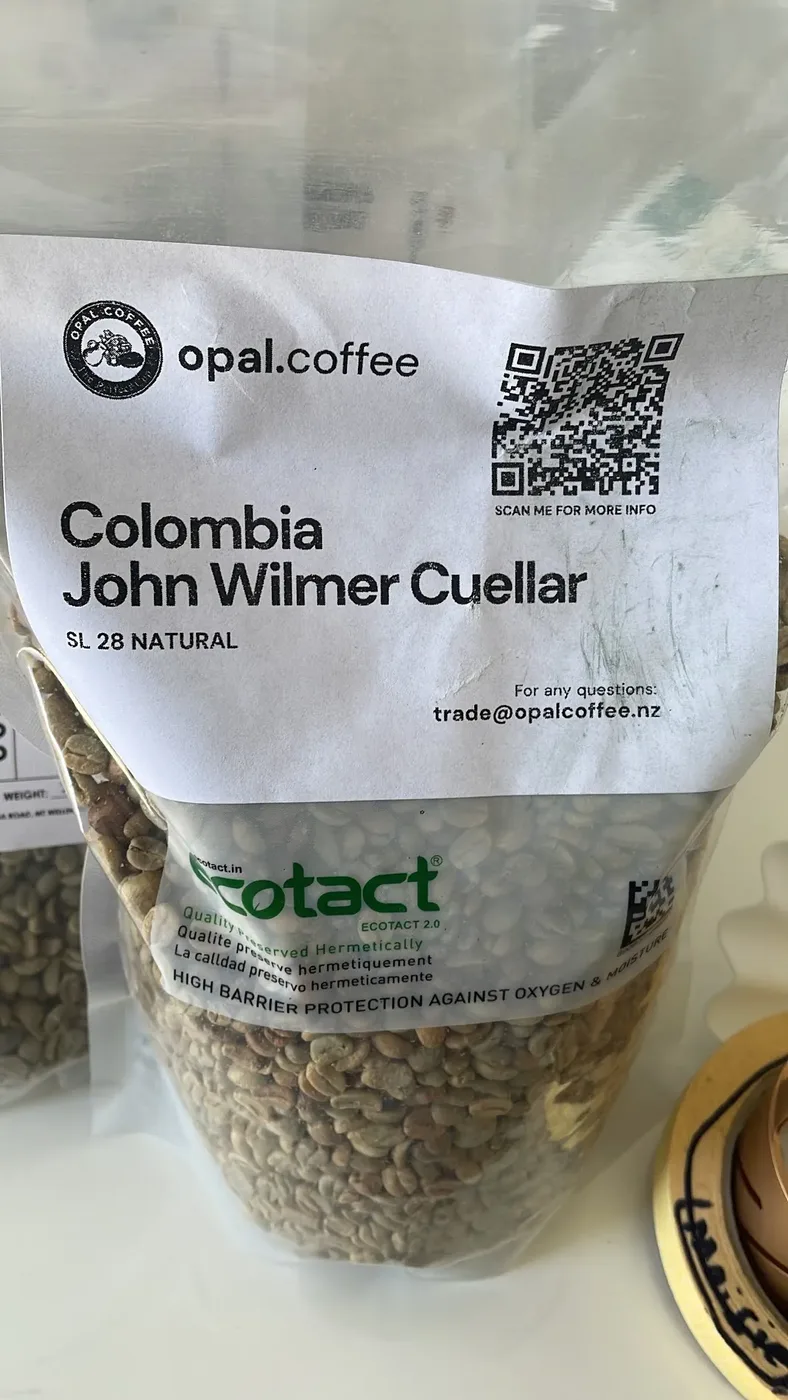
One thing I can confidently rule out here. It's not that I have figured out roasting. I still have no clue what I'm doing, and I probably just got lucky in selecting the right roast profile.
Anyhow, this first try is so good it could have been from a professional specialty coffee roaster.
What I am uncovering here is what we in the software industry call shit in, shit out. If your data is garbage, you can run all sorts of fancy analytics on it, but it won't solve the underlying problem.
The same is true for coffee. As I'm digging deeper into this, I honestly think that roasting is an amazing skill that requires a lot of time to master, but picking the right green beans might have the single biggest impact.
tldr. I think I got really lucky in picking the right beans.
The bean sets the bar
On a recent trip to Sydney, I was blown away by this coffee from Paradox (if it's called Wush Wush, it better be good). Batch brews are usually not as good as hand-poured, but this one was simply incredible.
I think the single reason is the green beans.
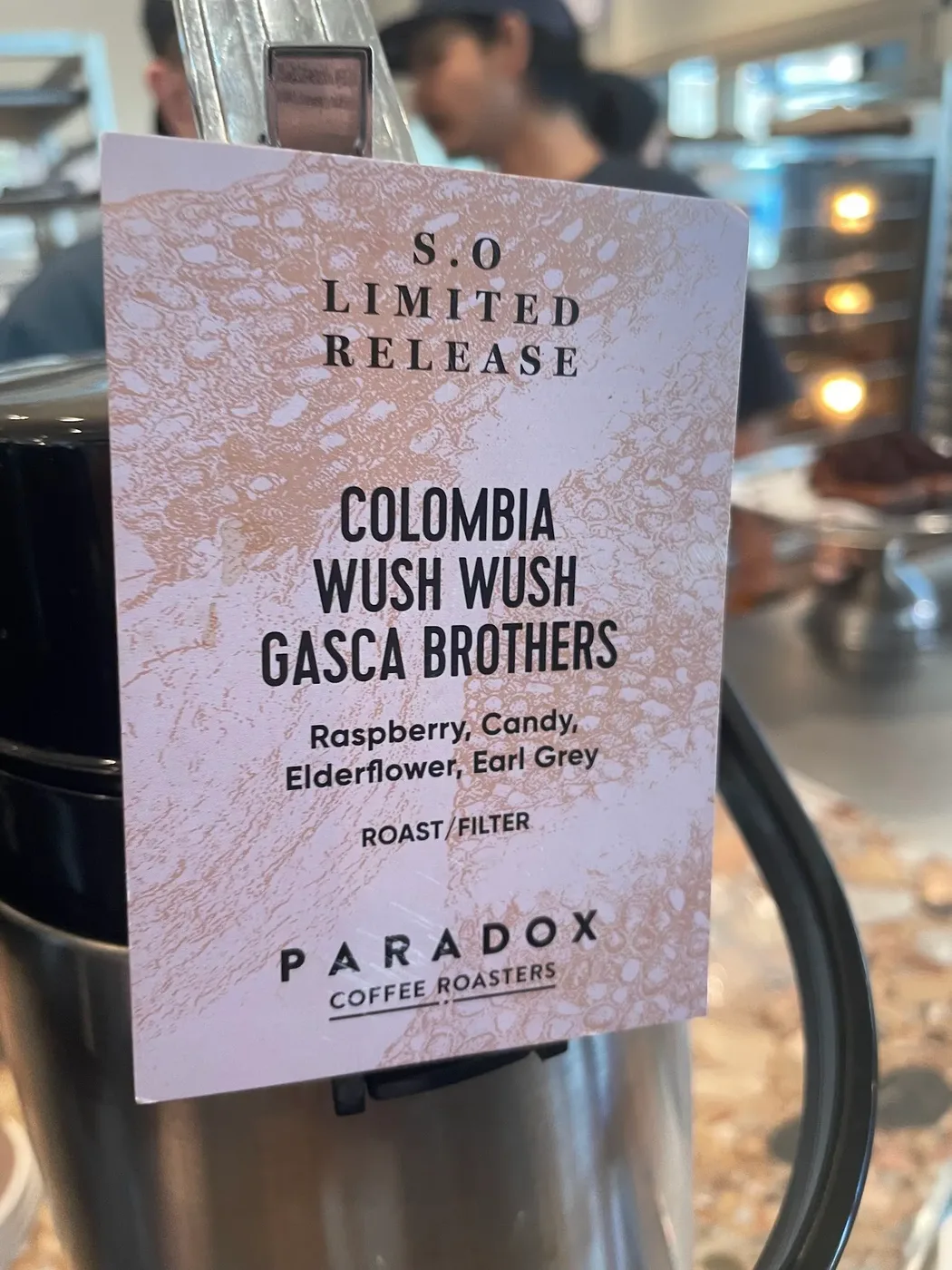
If you brew with amazing beans, there's not that much you need to do to get a good cup. If the beans are average, you need to pay attention to everything — grind size, water temperature, agitation, all of it.
I think roasting works the same way. If you have truly amazing beans, roasting is simply trying to not lower that bar.
It might not be perfect, but it's likely going to be really good from the start.
Doing it right by accident
My own journey started with great beans, a Kenya Gatugi peaberry.
I knew what the beans were supposed to taste like. I got to try them on a Rocket Coffee filter coffee subscription.
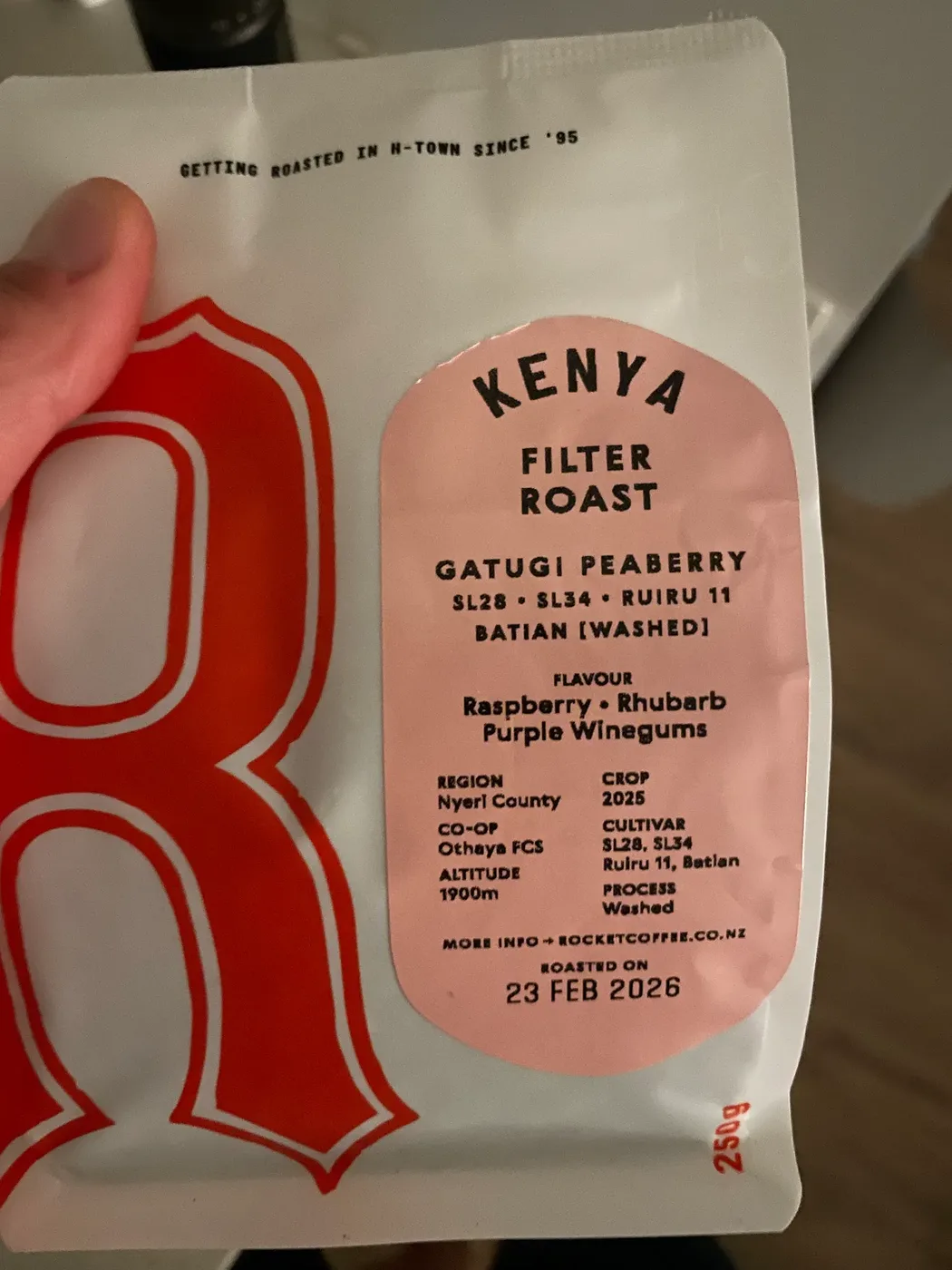
I found the exact same green beans, bought a second-hand roaster and just tried.
From the first attempt, the fruit was always in there. Then it took me a few attempts to figure out the roaster - wrong batch sizes (too little green in the machine, then too much), the wrong profile, not resting the coffee properly, not letting it degas.
I'm still fighting some of the other bags from that first order. For months that had me wondering whether I'd simply bought beans that weren't that great, or beans meant for espresso and darker roasts, where, at least in my opinion, the raw quality matters less.
What I did differently
So for the second order I did a bit more research. Not much, though. I looked for two things:
- Not the cheapest beans.
- Beans harvested not too long ago. I asked about harvest dates.
I ended up with a Colombian from Opal Coffee, a different green supplier than John Burton, where my first order came from. The first three brews were really good, so I roasted the next batch with the same settings.
It could be the two rules, or Opal just being more focused on specialty coffee than my first supplier. I don't know, and one good batch won't tell me.
What I do know is that I have no clue about green bean purchases.
I didn't pick the Gatugi either. Rocket's green buyer did, and I bought the same lot.
Training wheels
I've made my peace with that, because borrowing someone else's selection seems to work pretty well.
I call it copy roasting: find out what your favourite roasters are releasing as filter coffee, source the same green beans and roast them yourself.
It's a bit like training wheels on a bike. You learn to keep a little bit of balance, and over time you figure out how to ride.
The other way to start is to buy a 2kg bag of green beans that doesn't taste good, throw it away or lose interest, and go back to your Rocket Coffee subscription. It's a lot easier to stick with home roasting if you get a little bit of help at the start.
So copy roast as long as you can.
You drink good coffee the whole time, and if you take notes and pay attention to how they source, you learn a ton along the way.
At some point you still have to take the training wheels off, and that takes some adjustment. But the leap to doing it yourself isn't that hard.
Where it falls apart
It only stops working when your roaster has a lot you can't find anywhere else.
That's interesting too, though. Maybe I just don't know all the suppliers yet. Or maybe the lot only comes in 10kg minimums, and I don't drink 10kg a year.
There might be a business problem in there: a group of home roasters pitching in to share a lot.
Copy roasting with data
The other thing I've done to cover up for my green bean ignorance is build some tooling on Brewed Late.
The first one tracks which months each country harvests its coffee, and when roasters in New Zealand and Australia actually have those coffees on the menu. It's my "harvested not too long ago" rule, with some data behind it.
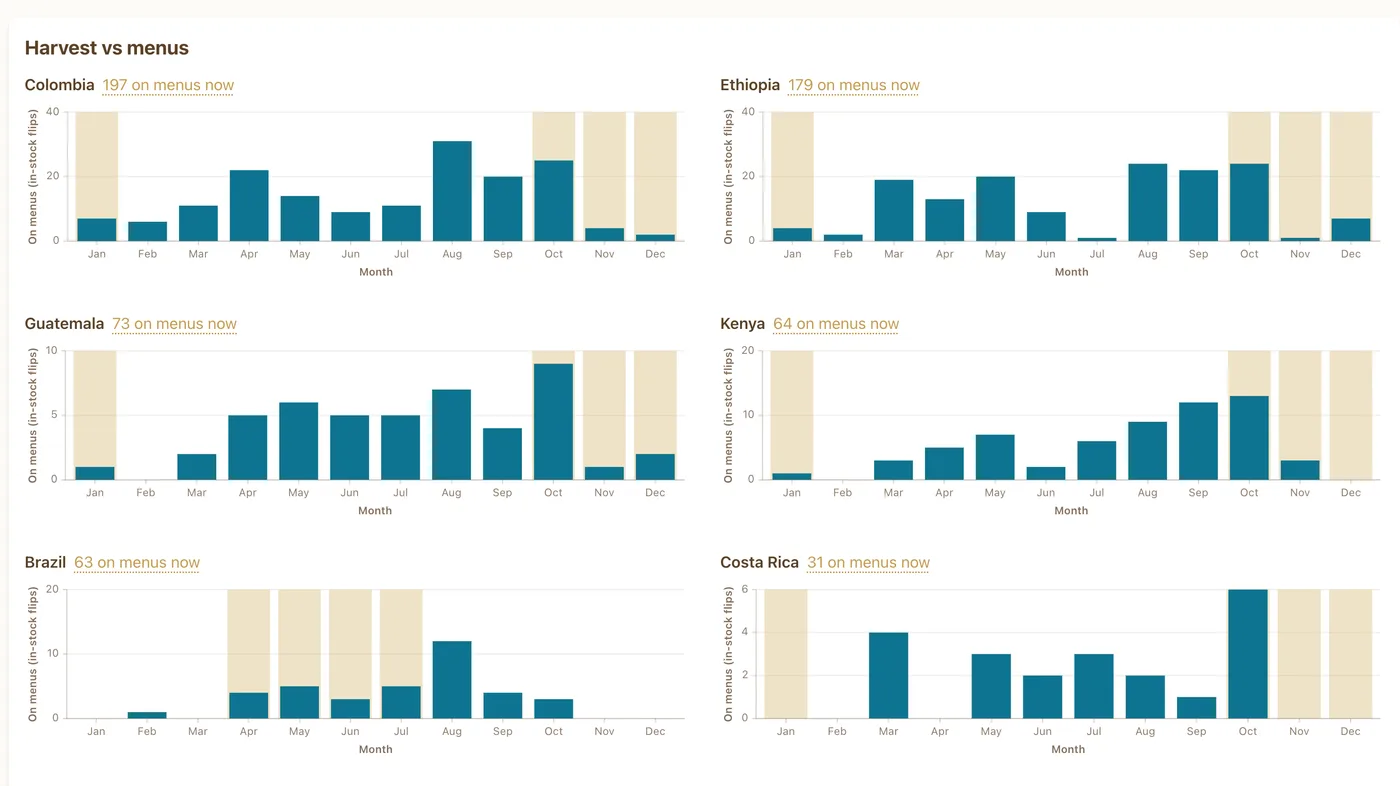
The second one I'm more excited about.
It's the lot overlap: which green supplier carries which lot, and which specialty roasters sell that same lot roasted.
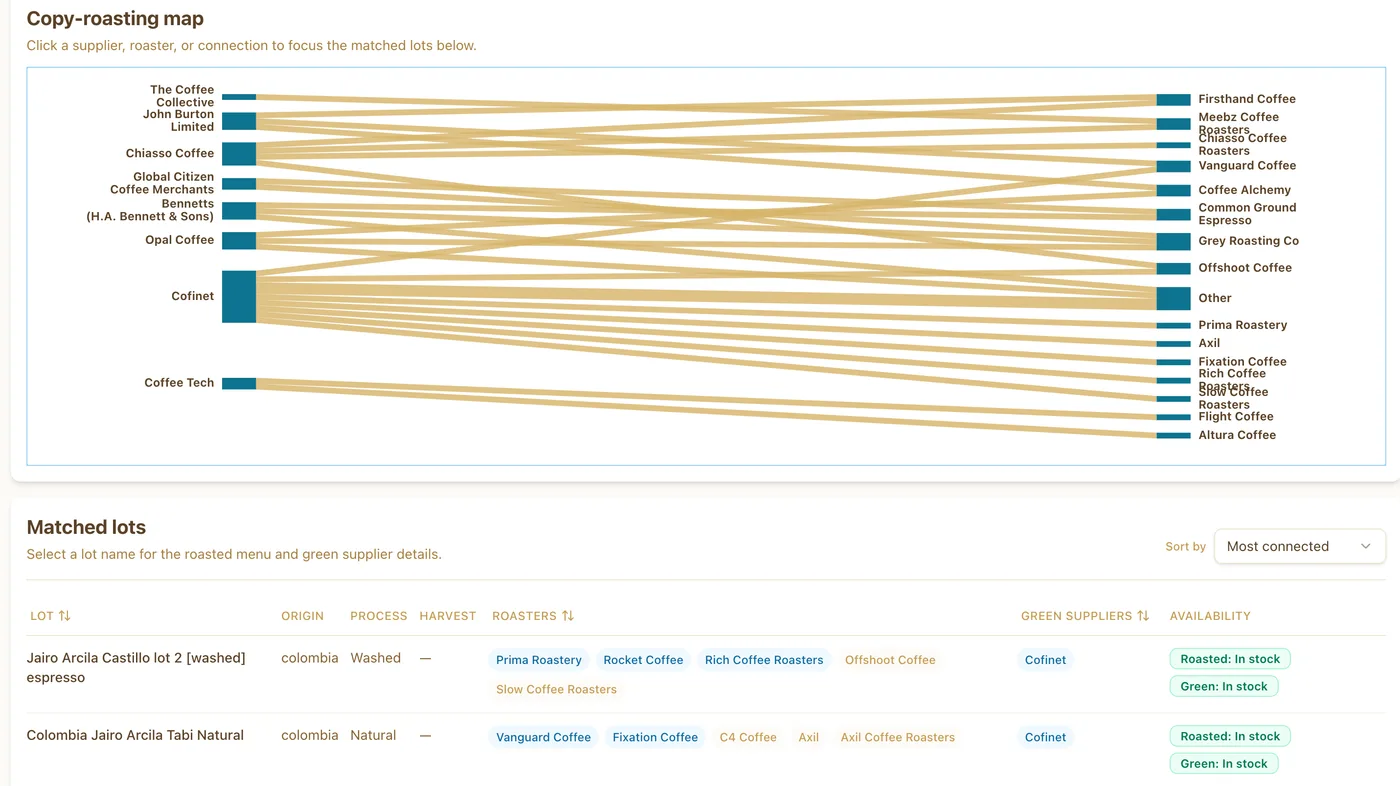
Find a roaster you like, see what they're roasting, check if a green supplier has the same lot, buy it.
That's what I did with the Gatugi, just without the tool.
My next green bean order is the real test. Before I buy, I'll check who else stocks the beans and which specialty roasters in NZ and Australia have roasted them.
I still haven't figured out how roasters actually pick their beans.
Until I do, I'll keep copying. Worst case, I drink coffee I already know I love, for a lot less money.
You can only win with that.
Get the next entry
New essays by email. No schedule, no spam. You confirm once.