Is roasting coffee at home worth it? What 130 roasts taught me
On a Kaffelogic Nano 7e, the Filter B and E profiles plus copying good roasters' green beans took me from mostly faulty roasts to none, at about 40% less than a specialty subscription. So why didn't my friend want to try it?
(I haven't fallen in love with roasting coffee. I do it because it's cheaper.)
I used to think roasting coffee at home was insanely difficult. Eight months or so and 130 roasts later, I'm getting really good coffee out of a small fluid bed roaster on my bench, for about 40% less than a specialty subscription. I explained all of this to a friend, and his eyes didn't light up.
This is an edited interview: the questions are there to push me, the answers are what I said, with the filler cut.
The short version
- Roaster: a Kaffelogic Nano 7e, a fluid bed roaster that does about 100 g per batch.
- What fixed my roasts: the Filter B and Filter E profiles, plus copying the green beans good roasters buy. From March to June, 68 to 80% of my tasted roasts were faults. In September and October, none.
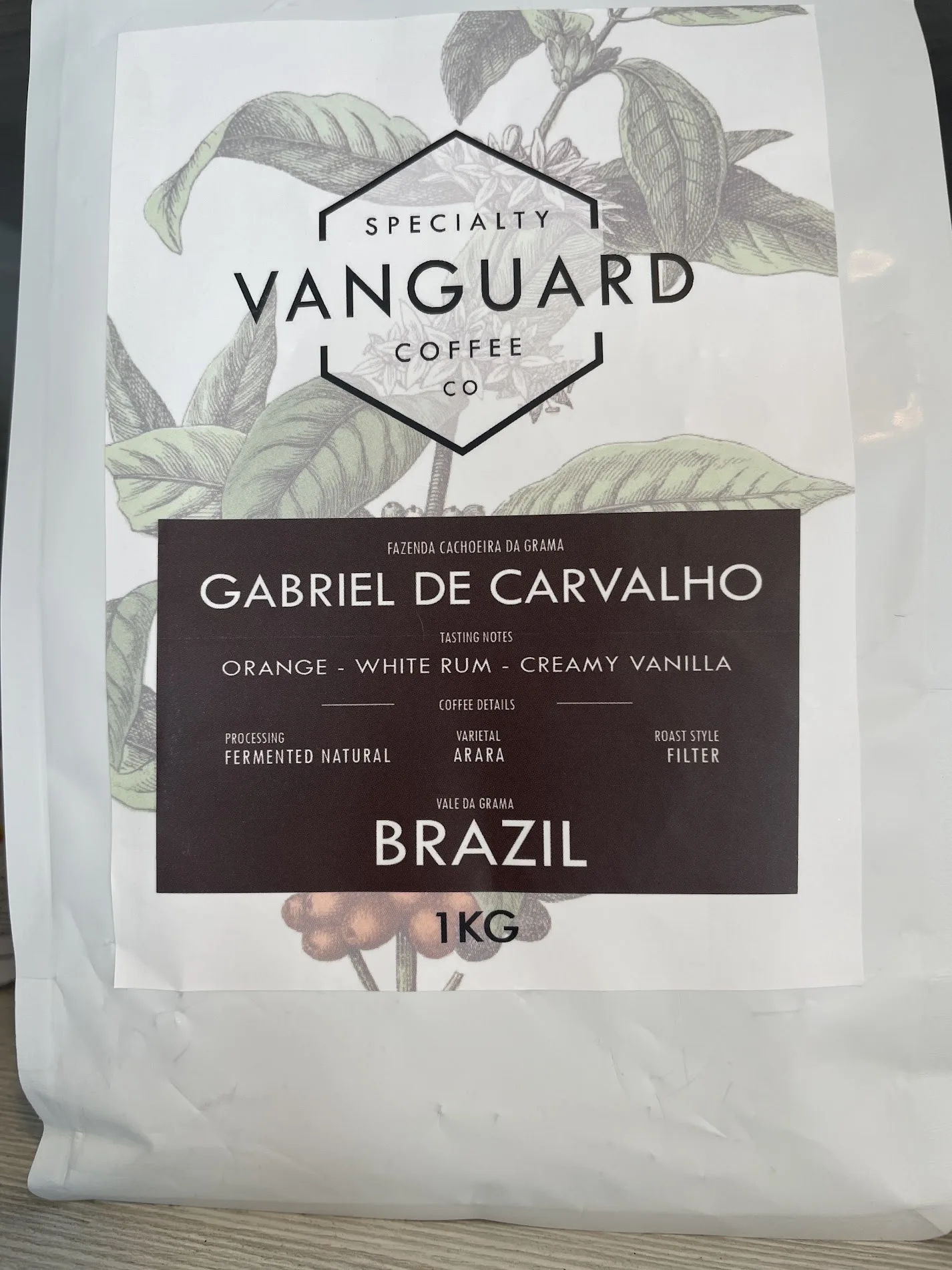
- Cost: about 40% cheaper than Rocket Coffee at $26 for 250 g.
- The catch: it still takes discipline. Sourcing greens, resting and degassing, roasting on time.
Why roast coffee at home at all?
I did this mainly out of curiosity, and because I found out there are fluid bed roasters that make the whole process simple, and they're small enough to have at home. I did not know that at first.
When I explained it to my friend, my pitch was: I'm saving money. A bag from Rocket Coffee is 250 grams for $26. I can buy two kilograms of green beans, and even with the weight loss while roasting, I'm probably saving 40% on the coffee itself. And I got to very similar results. It took me a while, because I was a total beginner, but now I'm getting much closer, much faster.
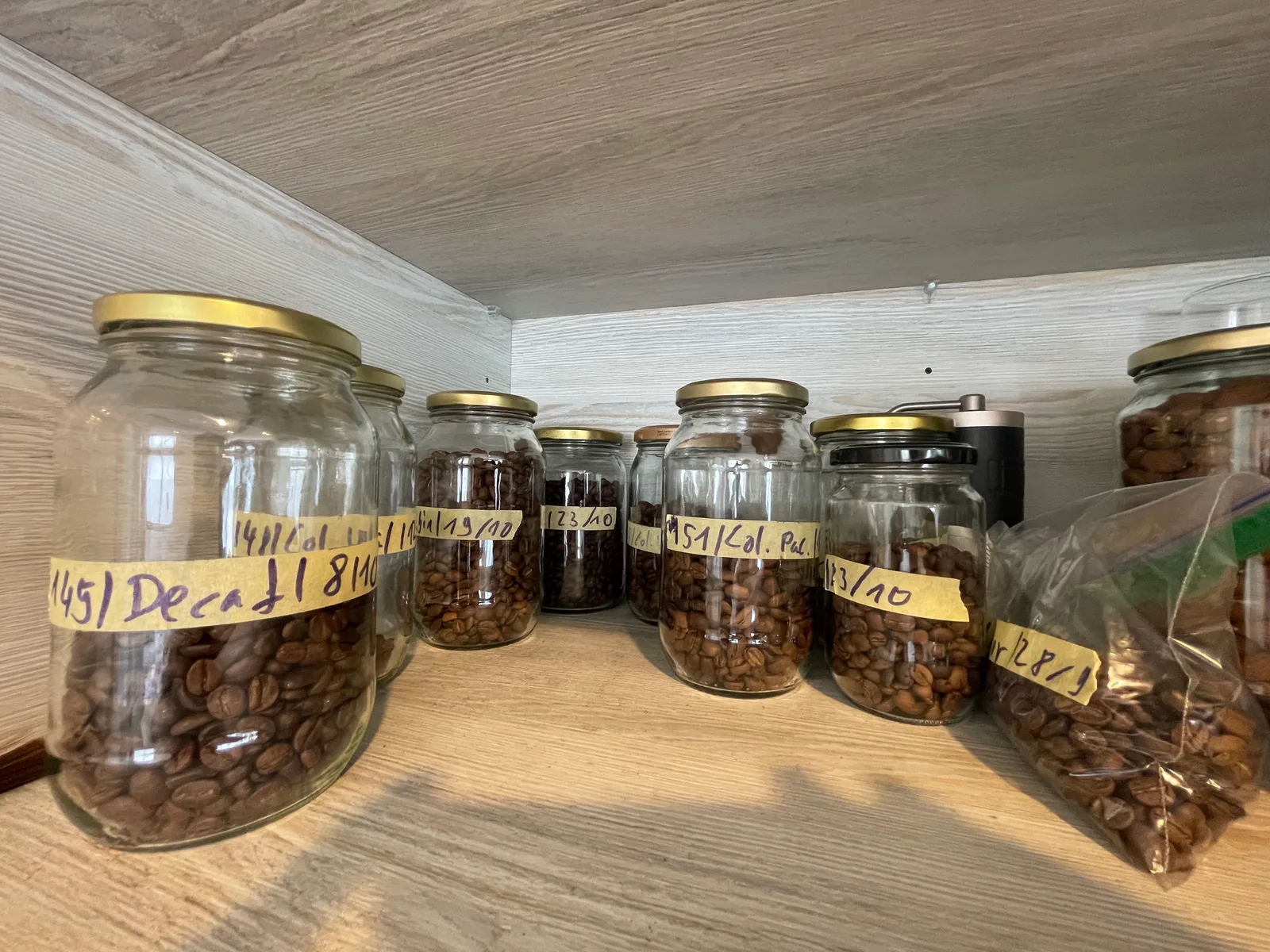
But my cupboard is now full of different roasted coffees. You need to be quite disciplined, because the coffee needs to rest and degas, and you need to roast on time so you have it. You need to try out the different profiles. I'm building software to assist me with that. It's not a super easy process. It requires effort and dedication, and it almost has to be a bit of a hobby.
So take someone who pays a bit more for a good electric grinder and uses a V60 with a temperature-controlled kettle. Would they get into roasting, to save money or experiment with flavour? Or would they rather pick a good roaster and a subscription? Even if we can make it really simple and easy, would people want to do it?
Would you still roast if green beans cost the same as a subscription?
Your pitch was money, but everything you describe sounds like a hobby.
If they would cost exactly the same, I probably wouldn't be a roaster.
I loved the Rocket subscription. It was a nice little surprise that I'd get every other week, with really, really good coffee. Roasting at home, you need to think about sourcing the greens. You buy them, you roast them, and you'll have a couple of throwaways.
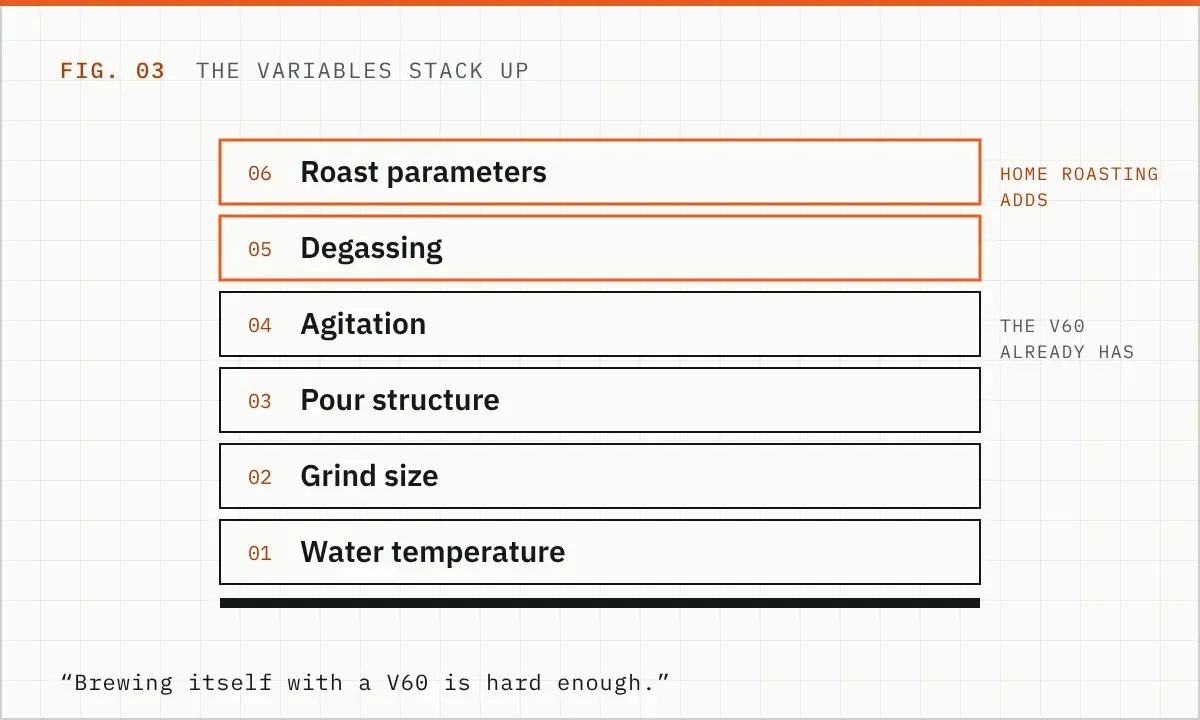
And it adds to the list of variables. Brewing itself with a V60 is hard enough. You need to control the water temperature, the grind size, the pour structure, the agitation. Add degassing and the roast parameters, and it gets so much harder to get a good cup.
So if a roaster produces really good coffee at the same cost as the green beans, I'd go with the roaster and get it delivered to my door. But because it's so much cheaper, I'm willing to go through the iterations. My hope is that over time I collect enough data and enough of the process that I end up roughly where the roasters are. It's just cheaper.
Is home roasting still cheaper once you count everything?
The roaster, the batches that didn't work, the planning, the hours on the software. Where does it break even?
I haven't counted that. The time you can't count.
Building the software is more the hobby. The challenge right now for me is: can I figure out how to roast coffee in a way that it becomes easy, and that I can enable someone else to do it?
I guess I haven't fallen in love with roasting coffee. I don't sit there and watch the color change and take it out at the right time. That's more like an art someone needs to learn, and I'm not sure I'm willing to learn it. I'm probably more interested in drinking the good coffee.
The throwaways, maybe. But I never actually throw anything away. Sometimes it's just not as good. What I've recently figured out is that I've got a profile now, and if I do well on selecting good green beans, which I'm getting better at, I'm producing more and more really good coffees. Initially they weren't that good. I'm figuring out the process, and I'm turning it into software. That's really what's happening.
Which Kaffelogic profiles finally gave you good coffee?
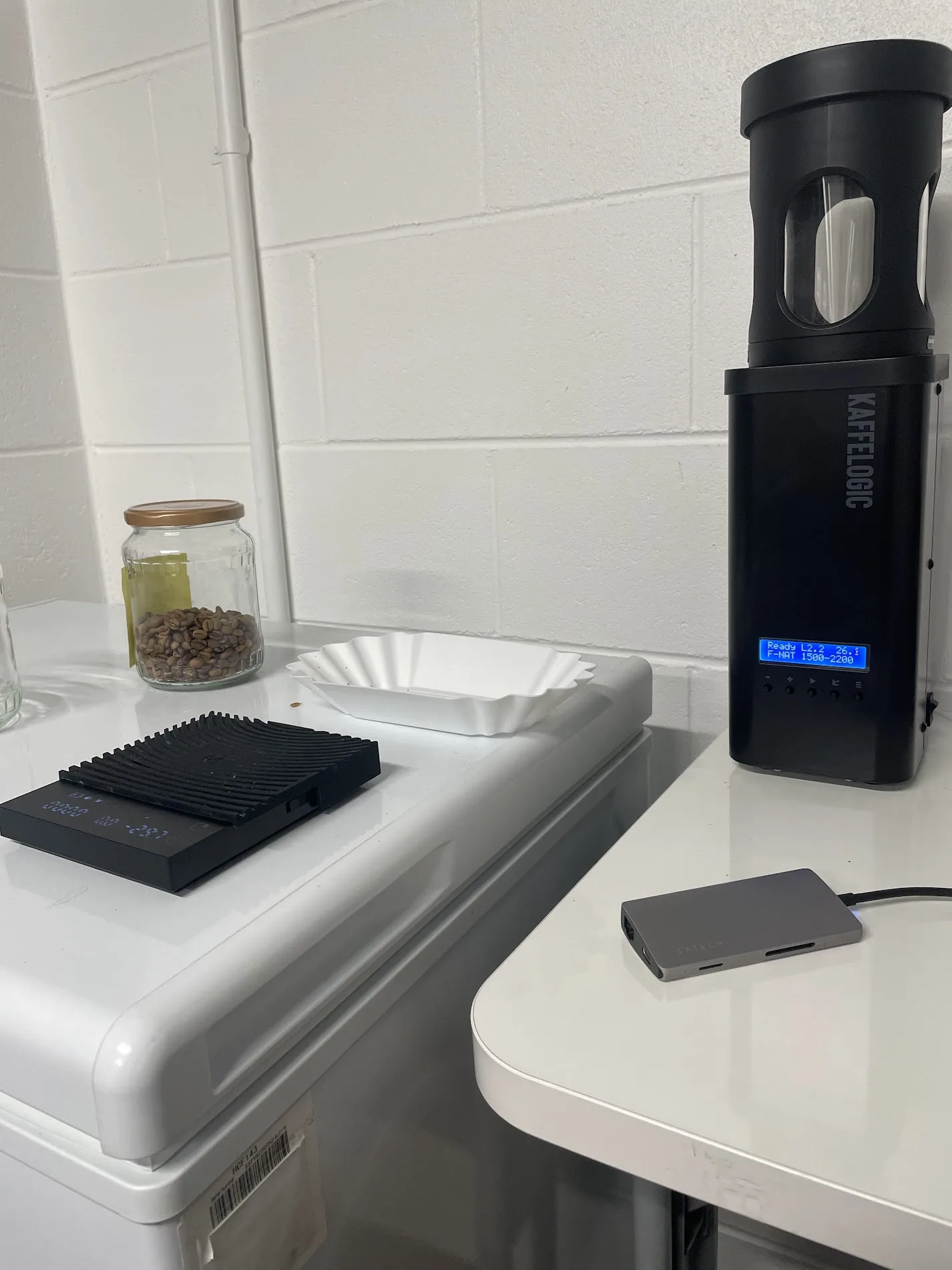
My roaster is a Kaffelogic. The profiles that come with it are okay. They work for some beans. The same company makes the Nucleus Link, and they're quite secretive about those profiles. Through a glitch in their software, I was able to get access to them.
I don't know exactly what they do. I haven't even looked into them. But I heard someone on a podcast talking about them. They're more targeted at what you want: Filter B and Filter E are aimed at a lighter roast. I brew with a V60 and I like fruity coffees, so those two are now my default for almost everything.
Right now I've got three coffees: a Colombian SL28, a Colombian Pacamara, and an Indonesian anaerobic natural from Finca de Berman, a grower I've had before through Rocket Coffee. I ran them on Filter B and Filter E, and I'm getting really close. Maybe Rocket is a notch better, or polishes out slightly more detail. But it's better than what I get from the Ozone coffee subscription. So I'm levelling up through the better roasters in New Zealand.
How do you pick green beans without knowing much about them?
For the greens, I copy roast. If I see a roaster has done one from Finca de Berman, that sounds good to me. If I've liked an SL28 before and find one, that's good. If it's not the cheapest bean at the green supplier, I buy it. The pro roasters probably know all of that.
I'm trying to turn it into a process: copy other roasters, stick to the two default profiles if you like lighter filter roasts, and run through them. And when a cup isn't right, I use the log to work out whether the problem is the roast or the brew.
Could a beginner skip the 130 learning batches?
Your roast log shows the change. From March to June, most of your tasted roasts were faults. Since September, on Filter B and E, none were, and what's left is one click on the grinder. If someone started tomorrow with your two profiles and your rule for buying greens, which of those batches would they skip?
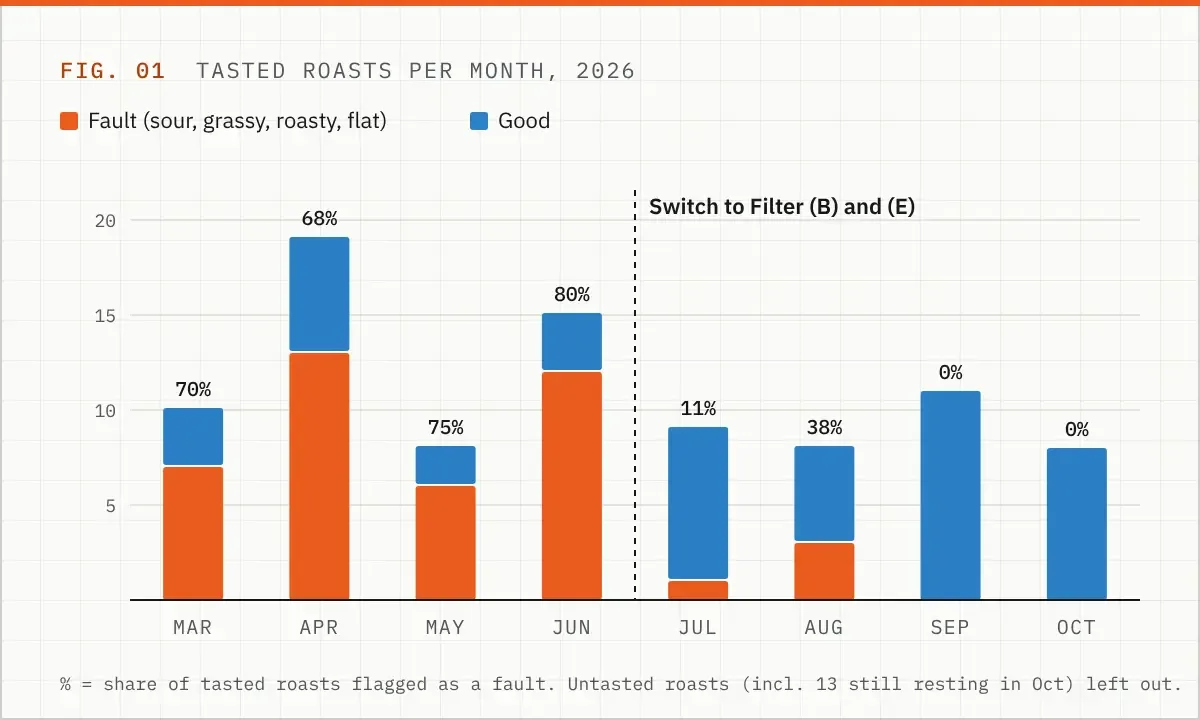
The 130 batches are a mix of a lot of lessons. I did roasts with too little beans, only 60 grams in the chamber. You can select that on the roaster, but it doesn't really work. And I wasn't always buying the right green beans. I've gotten better at that.
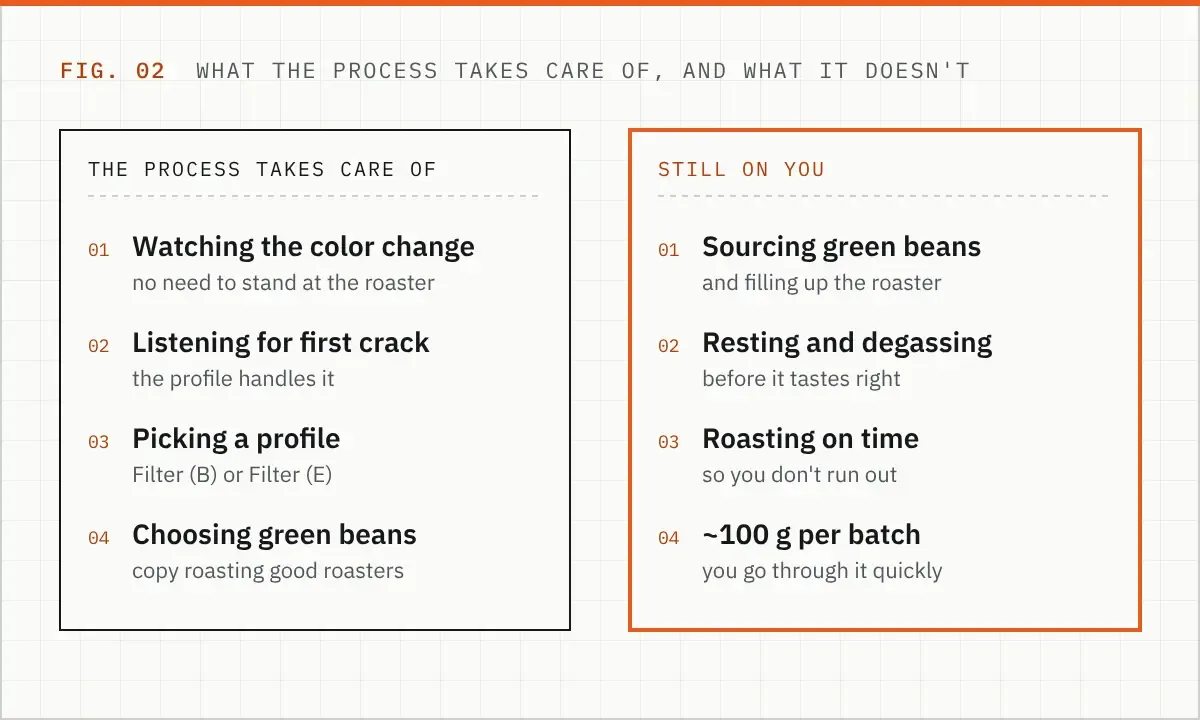
So I'm pretty confident that if someone buys a roaster like this, takes these two profiles, likes filter roasts, buys the right green beans and just chucks them in, they should be able to produce a really decent coffee. They don't need to watch the color change in the chamber or listen for first crack. The profiles are good enough to push it to a good result.
Kaffelogic is terrible with their own software, their own process and their own documentation. If that is taken away, it should actually be really easy for someone to get a good coffee within just five batches.
So would people actually want to roast at home?
That answers whether people can, not whether they want to. What did your friend say?
That's the problem. First of all, I don't know. That friend is pretty much the only one I know who likes specialty coffee and would spend money on a single origin at all. The others have some sort of automatic espresso machine at home, they buy blends, and all they care about is that it's Arabica, nothing else.
His eyes didn't necessarily light up. That was the whole reason I started this conversation.
I think it's really cool. You can save money and explore how to roast coffee. But I don't think there's anything I'll be able to explore with this coffee that the roasters can't. I'll never buy the same green beans as a top tier roaster and roast them slightly better. That will never happen.
So the only case is: can I do it cheaper? And even with the process, it comes down to a little effort. Once in a while you need to fill up the roaster with green beans, and you need to be disciplined enough to do it. Then you need to rest them. And the roaster only does about 100 grams, so you go through that quite quickly. Once I've hit a good profile, I don't go off developing a different flavour either.
So I think he found it interesting, but at the same time maybe also daunting, because of the whole process attached to it.
Who is home roasting software for, then?
You're building software to make roasting easy for a person you can't quite picture. Is this a pitch, or are you building it for yourself?
I'm okay with leaving that open.
There are a lot of people in this world. A lot of them are in specialty coffee and already spend a lot of time on brewing, testing out the latest gear. Maybe my friend just isn't the right person for it.
I'm getting search traffic around Kaffelogic profiles, so there must be some interest from people at home who want to do this and are trying to figure it out. Maybe a process is something that helps them. Maybe there's product-market fit for what I'm building.
I don't know.
Get the next entry
New essays by email. No schedule, no spam. You confirm once.